

Home
/
“Keep Hope Alive”, “I am Somebody.”
In Memoriam: Rev. Jesse L. Jackson (1941–2026)
Carrying the Mantle of Civil and Human Rights into the Present
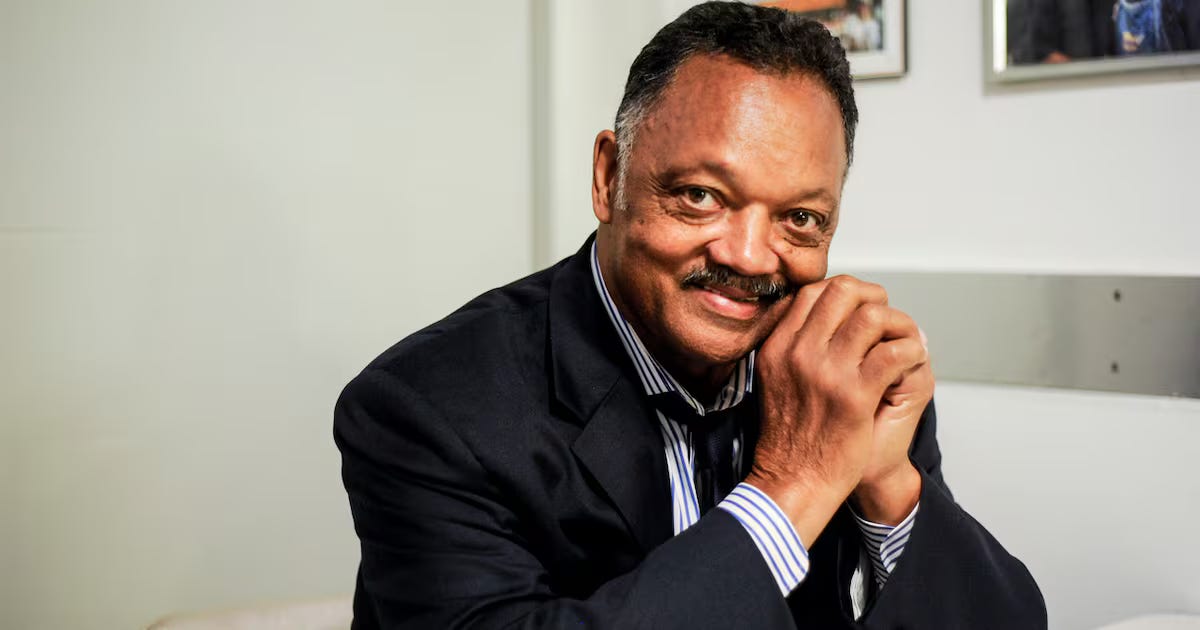
The passing of Rev. Jesse Louis Jackson marks the end of a towering chapter in the living history of the U.S. civil rights and global rights movements. With the assassination of Dr. Martin Luther King Jr. in 1968, many feared that the movement for racial justice, human dignity, and democratic inclusion would lose its moral center and organizing force. Indeed, the movement was weakened by the assassination, imprisonment, and exile of so many who struggled to make America better and more inclusive. Rev. Jackson emerged from that rupture not as a replacement for King, but as a bearer of the mantle, extending the unfinished struggle for civil and human rights into new terrains, new generations, and new political possibilities.
Rev. Jackson’s life work was rooted in the conviction that justice is not divisible. From the Black freedom struggle to labor rights, from anti-war mobilizations to global human rights campaigns, he insisted that dignity must be universal or it is not dignity at all. The founding of the Rainbow Coalition embodied this vision: a political and moral project that brought together African Americans, Latinos, Asian Americans, Arab and Palestinian Americans, Native peoples, poor whites, labor unions, faith communities, immigrants, and internationalist movements into a shared struggle against racism, poverty, militarism, and structural exclusion. Importantly, Rev. Jackson’s expansive understanding of solidarity opened space for Arabs and Palestinians to enter the U.S. political process as equals, at a time when they were often marginalized, erased, or rendered suspect. In this, he modeled a politics that refused to narrow belonging.
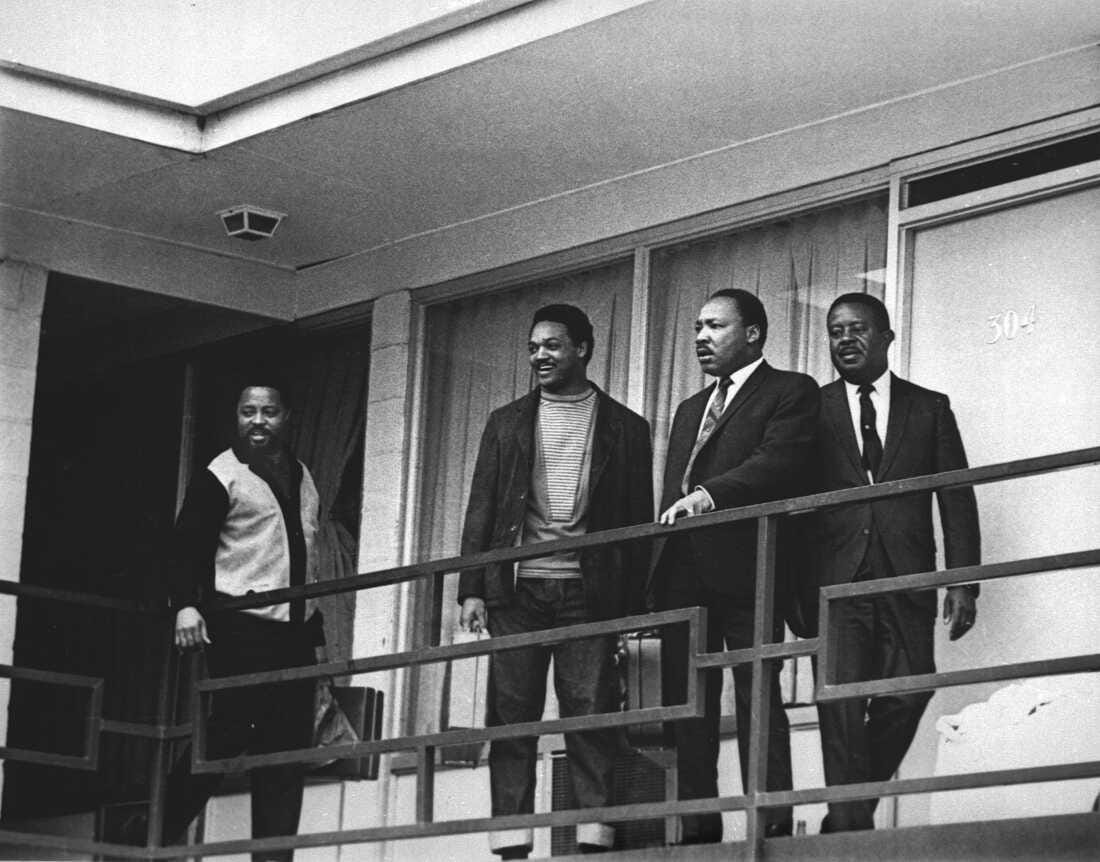
His presidential campaigns in 1984 and 1988 were not symbolic gestures; they were transformative interventions. Rev. Jackson’s runs forced open the doors of the Democratic Party and the national political imagination, expanding what was thinkable about who could lead and who counted as a legitimate political subject. This effort by Rev. Jackson faced the now well-documented Zionist and pro-Israel political machinery that demonized and insisted on total allegiance to AIPAC’s agenda and demands to push alternative voices to the outside margins of the party, a reality that continued all the way up to the 2024 presidential elections.
Certainly, the infrastructure of multiracial electoral politics that later made the election of President Barack Obama possible in 2008 was, in no small measure, paved by Rev. Jackson’s campaigns and the broader civil rights movement from the 1960s to the present. History will rightly remember that Obama’s election did not emerge in a vacuum; it was the fruit of decades of organizing, sacrifice, and moral struggle in which Jesse Jackson played a central role. The fact that Obama pivoted toward the establishment, militarism, and corporate power is a disappointment to the history and legacy of MLK, Rev. Jackson, and the Civil Rights and Human Rights movements as a whole.
Rev. Jackson’s unwavering support for labor rights and unions reflected his understanding that racial justice cannot be separated from economic justice. He stood consistently with workers in their struggles against exploitation, deindustrialization, and neoliberal restructuring, recognizing labor movements as essential pillars in any serious project of democratic renewal. For him, unions were not merely economic actors but vehicles for dignity, collective power, and social transformation.
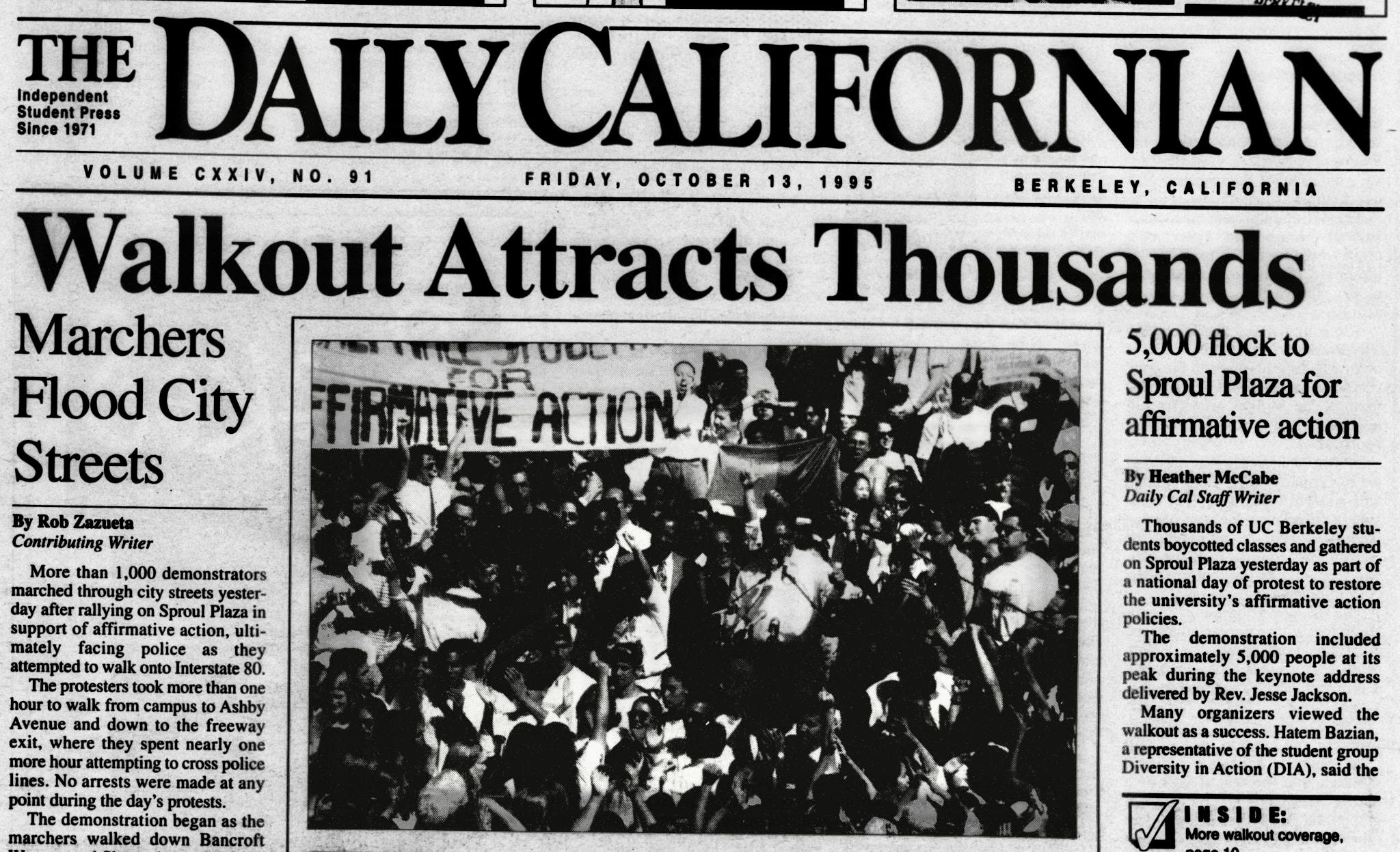
His commitment to student activism and educational justice was equally steadfast. In the late 1980s, California faced a budget crisis, resulting in massive cuts to higher education and increases in student fees. Not only did Rev. Jackson stand with higher education, but he also came out a few times to support the mass mobilization, including stops at San Francisco State University and the University of California, Berkeley. In 1996, during the struggle against California’s Proposition 209, which sought to dismantle Affirmative Action, Rev. Jackson stood with students and communities defending hard-won gains in access and equity. I invited Rev. Jackson to come out and speak to the moment and the efforts to roll back the Civil Rights agenda. He spoke at UC Berkeley amid mass mobilizations on October 13, 1995, and returned to march with us, visited students sleeping at the SF Third Baptist Church, and supported system-wide protests at the UC Regents meeting in San Francisco. I had the honor of meeting Rev. Jackson on many occasions over the years, and whenever he came to the Bay Area. I hosted him in my office at the UC Berkeley Graduate Assembly during the height of the protests opposing Proposition 209, and he marched alongside the students during the UC-wide mobilizations. These were not performative appearances. He appeared, repeatedly, to stand with grassroots movements, labor unions, and immigrants when the political costs were real and the outcomes uncertain.
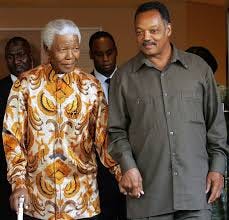
Beyond U.S. borders, Rev. Jackson consistently opposed war and militarism, raising his voice against the Apartheid regime in South Africa, U.S. interventions in Iraq and Afghanistan, and standing in solidarity with struggles in Palestine, Latin America, and Sudan, among others. His internationalism flowed from a moral clarity that recognized the interconnectedness of oppression: empire abroad reproduces injustice at home, and peace is inseparable from justice. In an era when dissent against war was often criminalized or marginalized, Rev. Jackson remained willing to speak, march, and organize.
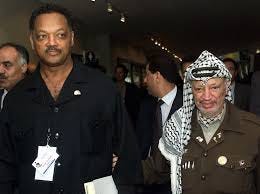
Rev. Jesse Jackson was not a flawless figure, no human architect of struggle is, but he was a towering one. He understood politics not merely as elections, but as the long, difficult work of building coalitions, shifting narratives, and sustaining movements across generations. We do find contradiction, but they must be balanced by a singular commitment to those at the bottom and the marginalized. He carried forward the prophetic tradition of the Black freedom struggle into the neoliberal age, insisting that the language of rights, dignity, and solidarity must not be surrendered to cynicism or reduced to technocratic management.
His passing is, indeed, the end of an era. Yet his legacy endures in the movements he helped build, the doors he helped open, and the countless lives he touched—activists, workers, students, faith leaders, and ordinary people who found in his voice a resonance with their own yearning for justice. The task before us is not to mourn him as the closing of a chapter, but to read his life as a charge: to carry forward the unfinished work of building a society where equality is not a slogan, but a lived reality.
Rev. Jesse Jackson will be deeply missed. But the moral architecture he helped construct—the Rainbow Coalition, the fusion of civil rights with labor rights, the insistence on global human solidarity remains a living inheritance. In that inheritance, his contributions will not be forgotten.