
On February 28, 2026, the United States and Israel jointly launched an illegal and unprovoked broad military operation against the Islamic Republic of Iran in a campaign code-named Operation Epic Fury or Operation Roaring Lion. This bellicose act involved airstrikes, cruise missile attacks, and targeted operations across major Iranian cities and key military infrastructure, including nuclear sites and command centers. As the dust settled on the first few days of military operations, the Supreme Leader Ali Khamenei was killed in coordinated US and Israeli strikes launched at a top leadership meeting. In its immediate aftermath, Iran retaliated with missiles and drone strikes against U.S. bases and Israeli territory. The coordinated US-Israeli attacks have thrust the Middle East into an escalatory spiral with global repercussions.
Reports circulating in the press are that US troops were told that the war with Iran is for “Armageddon” and the return of Jesus to the world. Such a framing of an unprovoked attack on Iran fits into the Messianic and end-of-time narratives that are the stable theology among evangelicals, something that Israeli leaders have been intent on cultivating to provide unconditional support for their genocidal policies in Palestine and across the region.
Beyond the immediate headlines, breaking news alerts, and cycles of press releases lies a deeper intellectual and psychological terrain, the Armageddon and messianic frameworks, religious, ideological, and historical that have influenced how Israeli and American current ruling elites, and their global supporters, conceive of their conflict.
The title “Messianic Wars” is deliberate, not poetic. It speaks to the way religious imagery, prophetic biblical rhetoric, and apocalyptic narratives have colored public discourse around the unprovoked war on Iran and among US-Israeli global supporters. Messianic wars generally refer to conflicts driven by, or anticipating, the arrival of a Messiah, which, in our current period, is the belief in the Second Coming of Jesus.
In segments of Israeli society and evangelical Christian circles in the United States, the struggle with Iran has been interpreted through biblical prophecy and apocalyptic expectation. Earlier conflicts, such as Operation Rising Lion, were explicitly infused with scriptural language that resonated with ideas of chosenness, divine destiny, and existential battle. Such interpretations frame military success not just as a strategic necessity but as the fulfillment of a historical or divine purpose that will usher in the Second Coming of Jesus.
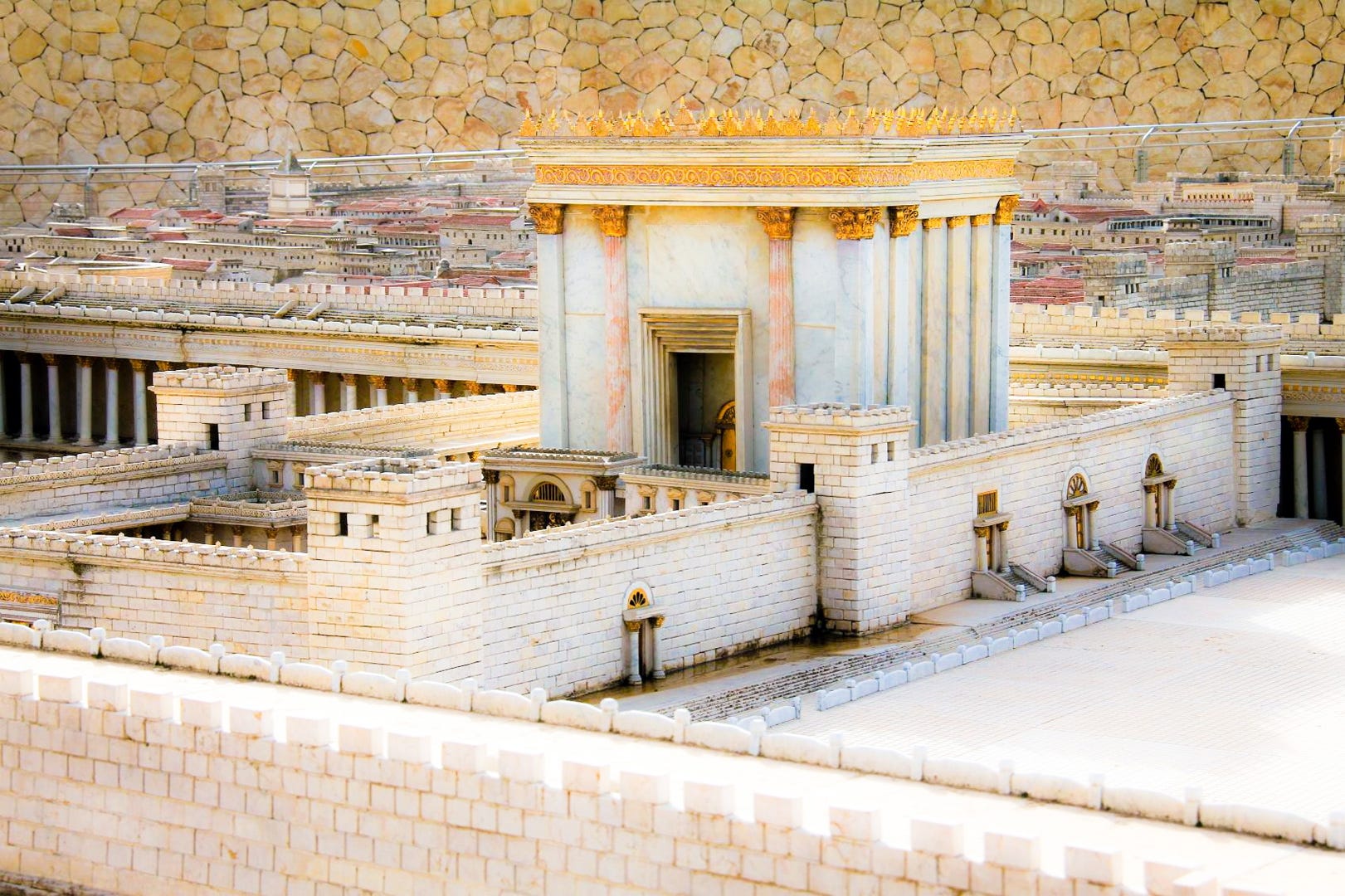
The second coming of Jesus becomes the frame through which all policies and actions are framed, with military action and unrestrained violence against the Iranian civilians becoming totally justified for the supposed higher purpose. Who would not want to see Jesus back on earth to solve all the problems that are created by people using his name and words! Yes, we do need Jesus back in the world, the one who takes care of the meek, the poor, the sick, and the downtrodden! The idea of Jesus’ return to the world to spread faith, love, compassion, and dignity for all humans is urgently needed. People are thirsty for a different world, because the current crop of leaders and elites have destroyed hope itself through their greed, war and violence.
Here, the deeply hoped-for return of Jesus is weaponized by a combination of the military industrial complex, foreign policy objectives focusing on oil, gas, and natural resource domination to keep away from China, and Israel’s desire to be the uncontested regional power. You see, we can’t ask what Jesus wants or what he supports, but all these bellicose war mongers and profiteers have crafted a ready-made theology rooted in death and destruction. They made Jesus a salesman for their rotten worldly possessions and vanity of power and status. I do believe that if the real Jesus comes around, they would arrest him and charge him with supporting “terrorism” or disruption of law and order in society.
Significantly, “Messianic Wars” are not open to logic or examination by everyday people since they will be cast as opposing God; rather than opposing the men who are acting and speaking as gods in the world. When geopolitical conflict is cast as a divine mandate or cosmic destiny, the costs of compromise often seem intolerable. Negotiation is recast as capitulation to “evil”; diplomacy becomes suspect for possibly preventing the return; restraint is interpreted as weakness in carrying out God’s commands. The result is a political environment in which war becomes inevitable, a manifestation of cosmic necessity to bring about God’s decree, rather than a contingent policy made by humans playing god with death machines.
This messianic framing, in Israel and the U.S., risks amplifying violence and dragging the world into a WWIII. It transforms geopolitical decision-making into a narrative of acting on God’s orders, a righteous struggle, elevating exceptionalism and moral absolutism above strategic restraint and international legal norms or what is left of these norms.
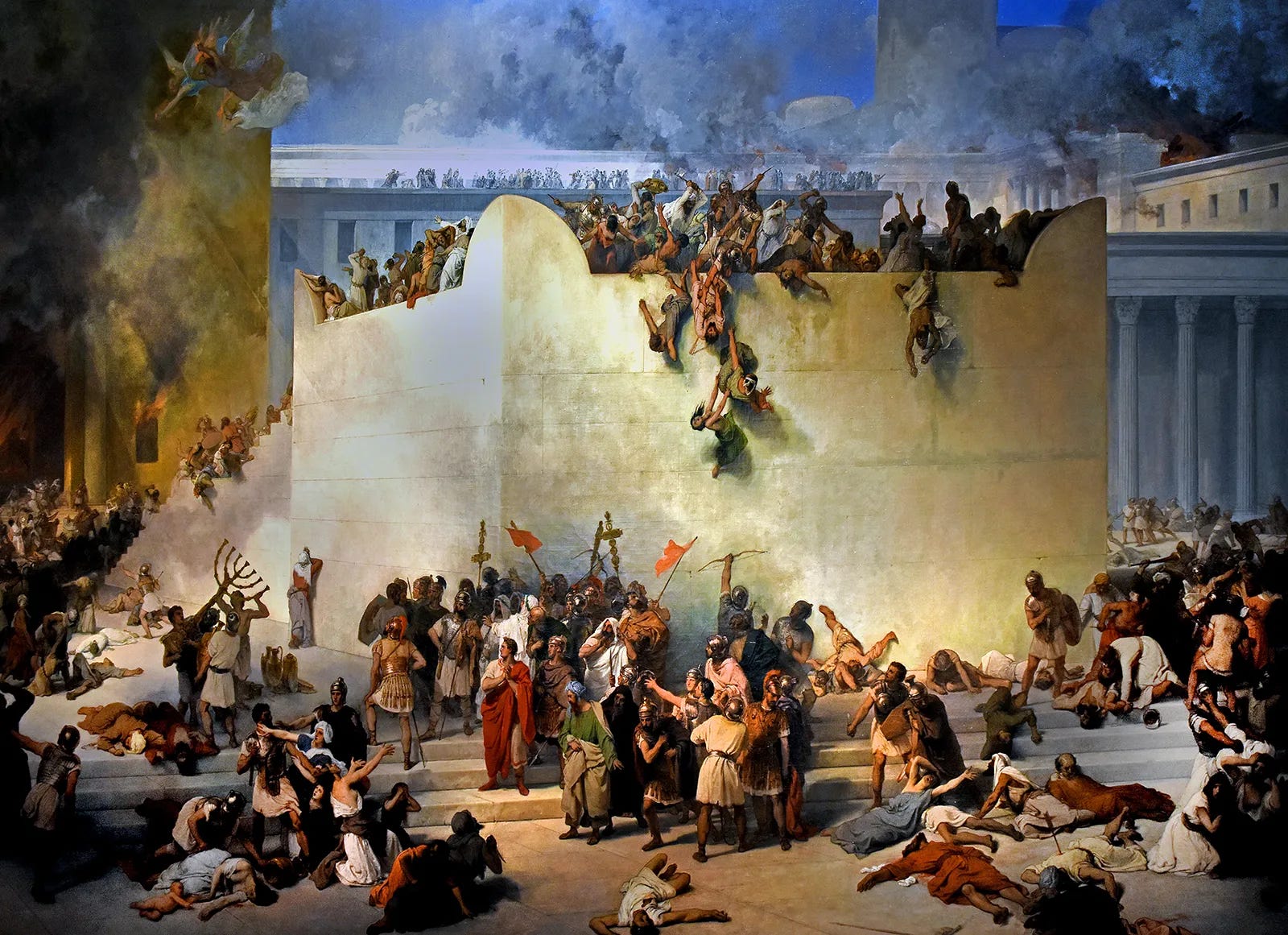
The joint U.S.–Israeli offensive has consequences far beyond Washington, Tehran and Jerusalem. The conflict has intensified divisions across the Middle East, strengthened authoritarian narratives in capitals, and forced global powers to recalibrate alliances. Russia’s and China’s condemnations and offers to mediate underscore the broader Great Power dynamics at play, in which U.S. influence can no longer be taken for granted.
The unfolding conflict between the United States, Israel, and Iran defies simple categorization. It is martial and technological, ideological and theological, immediate and epochal. The term “Messianic Wars” calls attention to the underpinning narratives, some theological, some political, that shape how societies justify violence, how leaders mobilize populations, and how global audiences interpret war. No one knows if Jesus is coming back or when, but what I am certain of at this time is that all those who claim to know of this hoped-for return are speaking and acting in the Un-Jesus way, which is a sign that this is a worldly enterprise dressed up in religious terms.
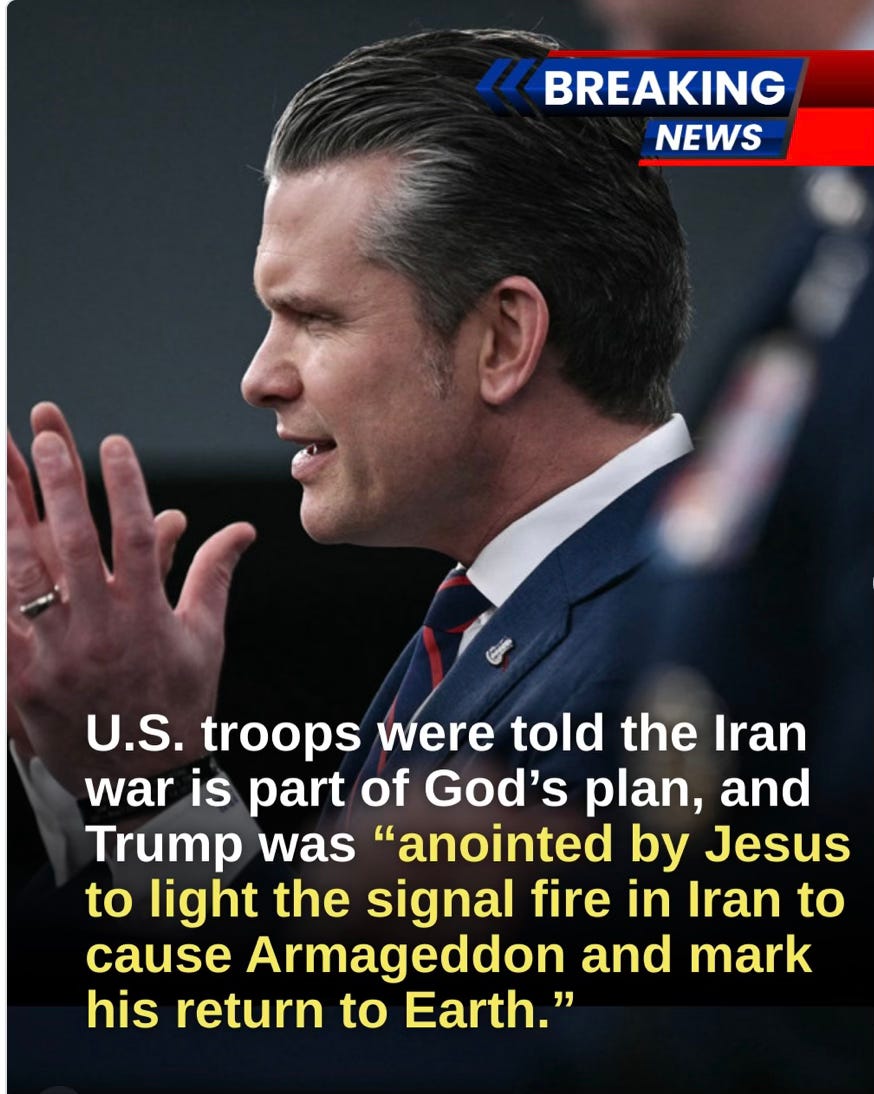
Whether the current violence leads to WWIII, a negotiated settlement, or a protracted era of instability, the profound human cost will be felt for generations. If history teaches anything, it is that wars justified in the name of Messianic destiny often yield legacies of suffering, displacement, and enduring grievance. Finding pathways to de-escalation through diplomacy, adherence to international law, and renewed commitment to human security remains not just a strategic necessity but a moral imperative.
In a world increasingly defined by its interconnectedness, no conflict, however framed by messianic rhetoric or existential fear, can be contained within borders. The real battle, in the end, may not be for territory but for the capacity to see one’s adversary not as a cosmic enemy but as a fellow human being with claims to dignity, justice, and peace.

